When comparing two parts quotes, most operators look at unit price first. But a miner that’s down loses revenue every day it waits, and an extra week of lead time is an extra week of that loss. The cheapest quote isn’t always the cheapest choice.
This guide gives you a simple way to decide when a faster delivery is worth paying for, and when it isn’t.
Start with what a down miner actually costs per day
Daily net loss = the machine’s daily mining revenue − the machine’s daily power cost
- Daily mining revenue ≈ hashrate (TH/s) × current hashprice (revenue per TH per day)
- A down machine draws no power, so subtract the electricity you’re not paying for
Two things are easy to miss:
- Hosting fees. If your hosting contract charges by reserved power or by slot, you may still be paying while the machine is down. Add that to the loss.
- Model matters a lot. A newer, high-hashrate machine loses far more per day than an older, less efficient one, and some older units lose close to nothing. That difference should drive which quote you pick.
The real cost of a part is more than its price
Real cost = unit price + freight + import duties and customs fees + downtime during lead time + risk cost
Risk cost is what happens when the part arrives and doesn’t fit, or a used part turns out unreliable. You reorder, and your downtime doubles. This is why an accurate miner model and part number matter so much when you request a quote — see What to Include in an ASIC Parts Quote Request.
One formula to decide whether faster delivery is worth it
Say you have two options:
- Option A: ships from China. Lower price, longer lead time.
- Option B: US stock. Higher price, shorter lead time.
Option B is the better deal when:
(Lead time difference in days) × daily net loss × number of machines down > total price difference between B and A (including freight)
Pay attention to the number of machines down. If one part type takes down several machines at once — for example, a batch of the same power supplies failing together (see APW121215 version letters) — the value of faster delivery multiplies. On the other hand, if a single older, low-efficiency machine is waiting on a part, waiting a few extra days is usually the cheaper option.
When China shipping makes sense, and when US stock does
China shipping usually fits when you’re:
- Restocking spares with no urgency
- Buying in bulk and price-sensitive
- Waiting on a part for a low-efficiency model with a small daily loss
US stock usually fits when:
- Several machines are down because of the same part
- The machine waiting is a newer, high-hashrate model
- The machine has already been down for a while, and every extra day adds cost
US local stock can’t be guaranteed. When both options are available, NODE29 quotes China shipping and US stock side by side, so you can run this comparison with real numbers before you order. Just tell us how urgent the order is.
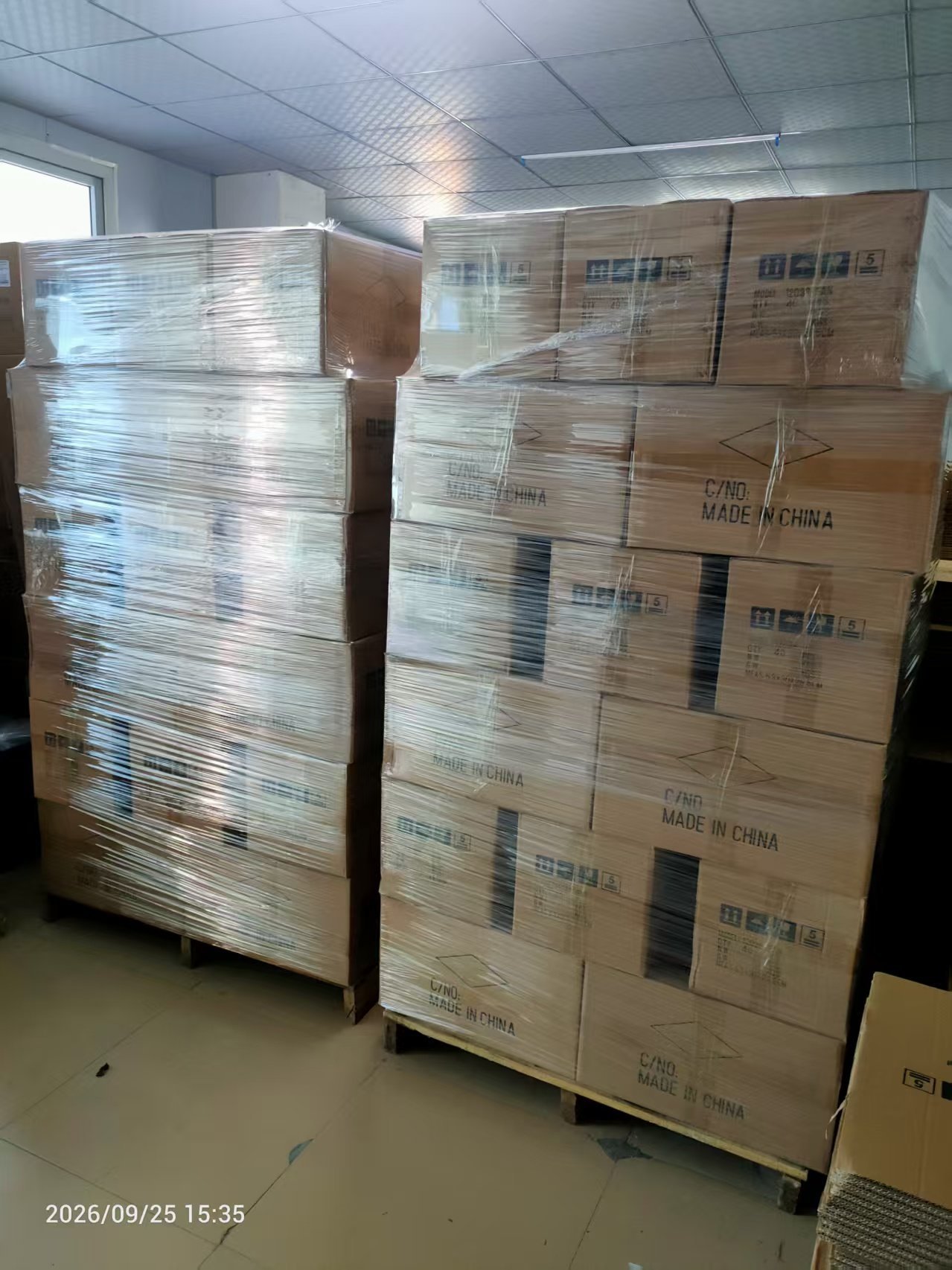
Reduce downtime with spares, not rush orders
A rush order solves one outage. It doesn’t prevent the next one. A better approach:
- Keep high-wear parts (power supplies, fans, cables) on hand as standard spares, so a failed part can be swapped the same day. Tuned fleets wear these faster — see Overclocking vs Undervolting.
- Restock in bulk on standard China lead times to get better unit pricing.
- When a hashboard fails, swap in a spare board to get the machine running, then send the faulty board for repair, so repair turnaround doesn’t become downtime.
Need a part?
Send us the miner model, part number, quantity, shipping destination, and how urgent it is. When both options are available, we’ll quote China shipping and US stock side by side, so you can weigh cost against downtime before you order.