When a hashboard goes down, the question is usually “repair or replace?” The right answer depends on three things: whether the hashboard is actually the problem, how badly it’s damaged, and how much the machine loses for every day it sits idle. Here’s how we work through it at our repair shops in Austin and Houston.
The three hashboard faults we see most often
Before blaming the board, rule out causes outside it: loose cables, unstable power supply output, a failed control board, or aftermarket firmware running the board at too low a voltage (see Overclocking vs Undervolting).
1. Temperature anomalies and overheating. When PCB temperature goes above roughly 90–95°C, the miner drops into protection mode. A failed temperature sensor can cause the same result. Check the fans, airflow, and thermal paste or heatsink contact. Heatsink contact is especially worth checking after a chip replacement.
2. Missing chain / board not recognized. This is usually a loose or damaged ribbon cable between the hashboard and the control board. Inspect the cable for open circuits and reseat it. If the board is still missing, run it alone on a single-board test fixture (PT1/PT2/PT3) to isolate whether the fault is on the hashboard or the control board.
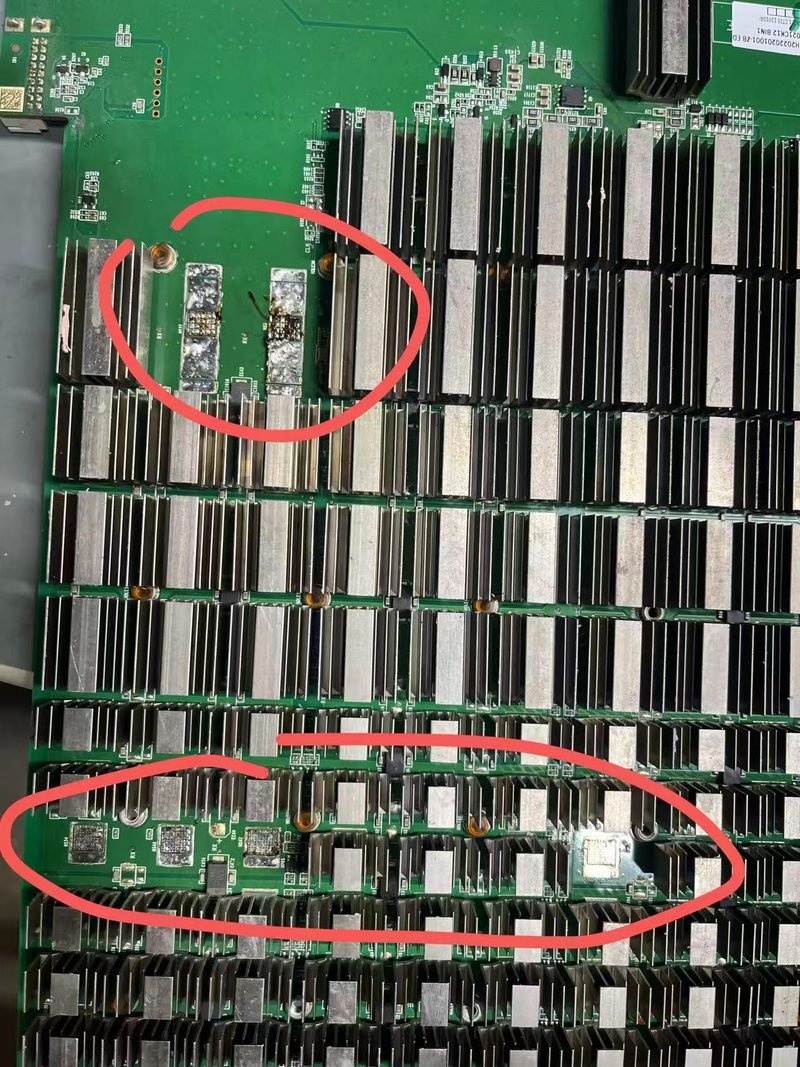
3. Incomplete chip detection / low hashrate. The logs show fewer chips than expected, such as an entire missing domain or chips flagged as failed. Common causes are a dead ASIC chip, a short circuit, or bad solder joints on the signal resistors around the failing chip (CLK, CI, BO). The fix is micro-soldering or chip replacement.
When repair makes sense
- The damage is localized. One or a few chips, specific components, or a connector, with the rest of the board intact.
- The machine still earns its keep. Daily revenue comfortably covers the cost of repair.
- A matching replacement is hard to find. Hashboards in the same miner generally need to match model and version. When a matching board isn’t available, repair is often the more practical path.
The three faults above are typically bench repairs.
When to replace instead
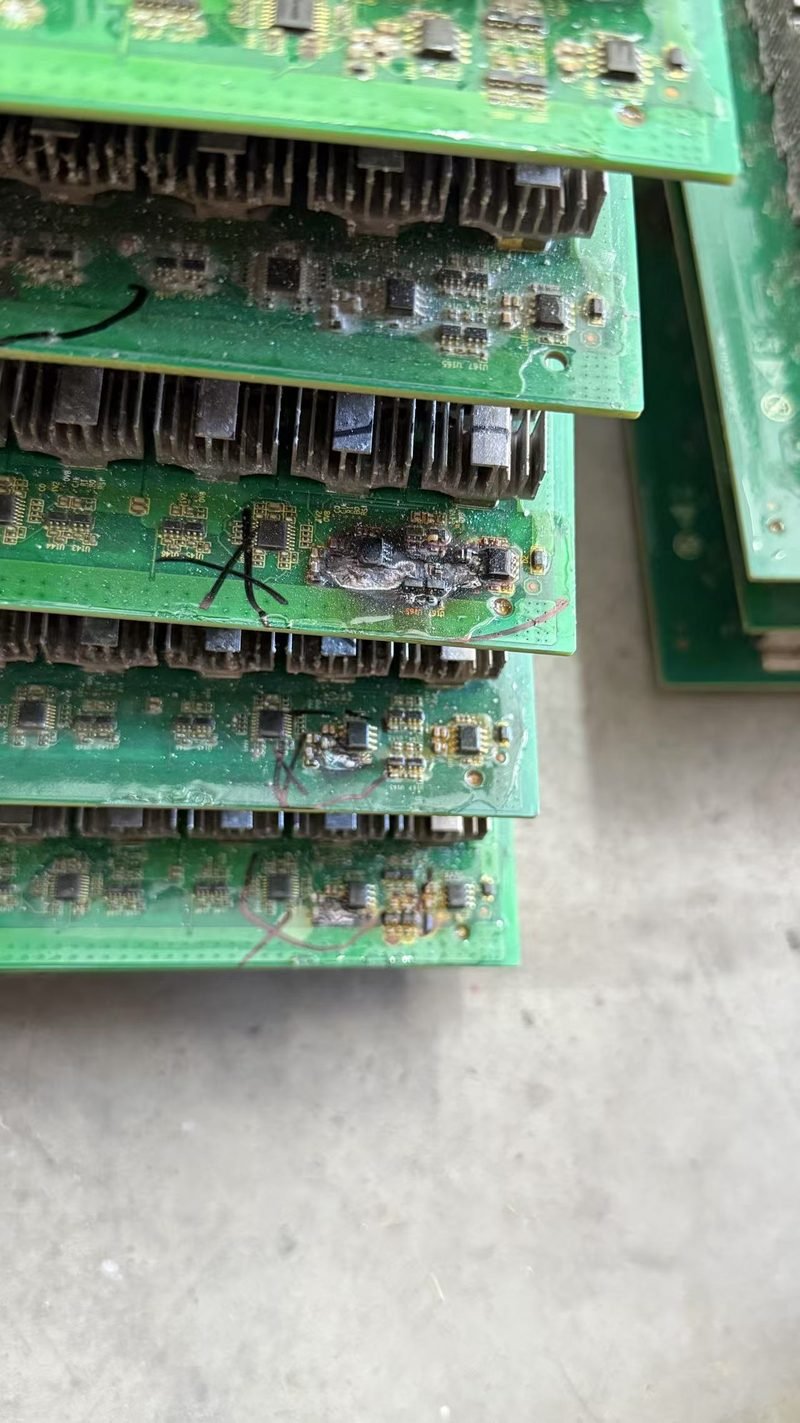
Our clearest line is environmental damage. Boards from very humid sites, with corrosion spread across many chips, are not worth repairing. We treat them as scrap and recommend a replacement board.
Replacement also tends to make sense when:
- The same board keeps failing after repair
- The miner is an older, low-earning model and repair cost is a large share of its remaining value
- You need the machine back in production now and have a compatible replacement on hand
Before ordering a replacement, confirm it matches the model and version of the other hashboards in the machine. Photos of the board label are the fastest way to check.
Let downtime make the final call
Neither option costs just its price:
Total cost of repair = repair fee + shipping both ways + downtime during repair + risk of repeat failure
Total cost of replacement = board price + freight + downtime during lead time + compatibility risk
The most effective way to cut downtime is to keep a spare board on hand. Swap it in to get the miner hashing again, then send the failed board for repair, so repair time never becomes downtime. More on this in Cheap Part, Expensive Downtime.
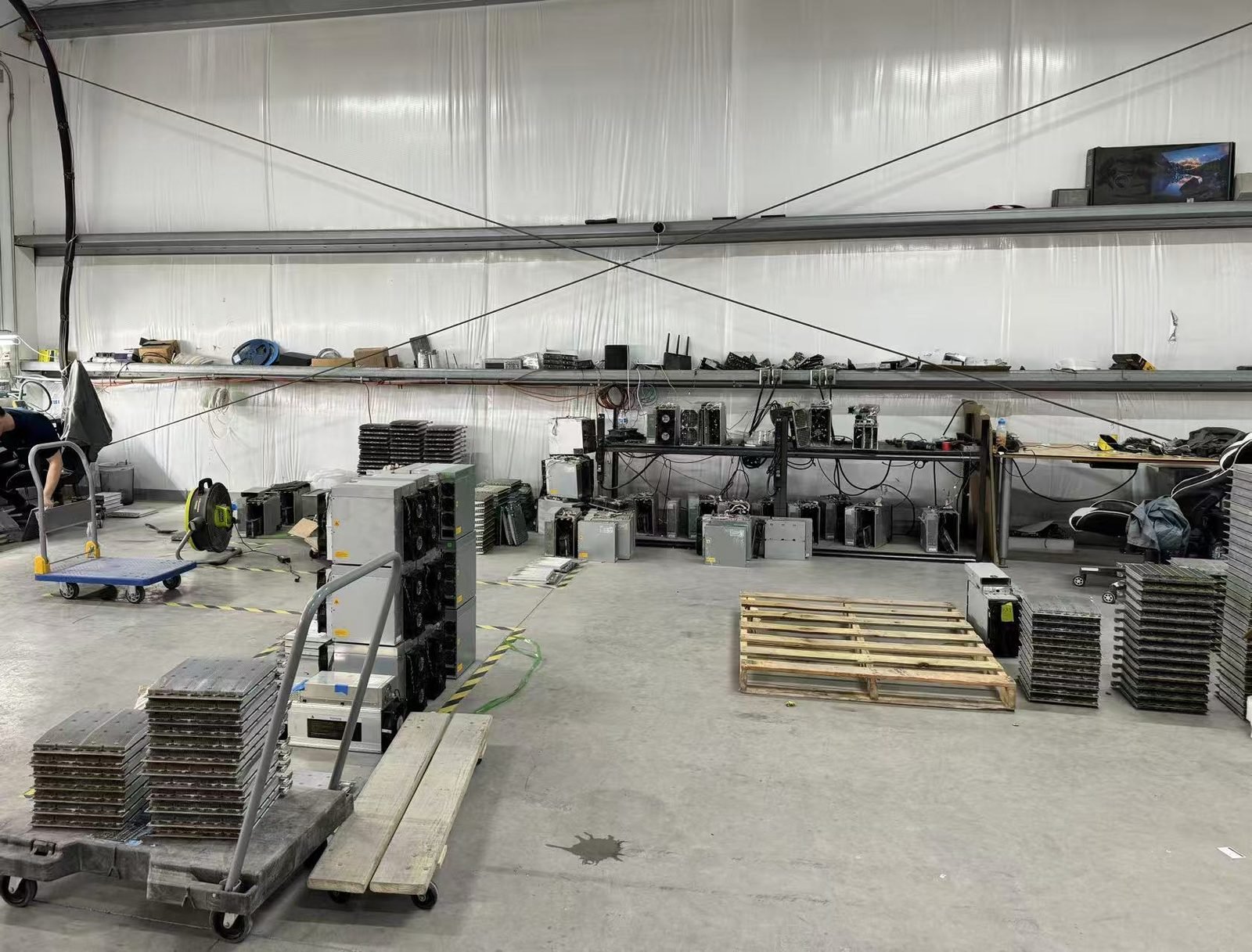
We’re not the largest repair operation, but with around 25 technicians across our sites, our Austin and Houston locations can each handle 100–150 boards per day. That’s enough capacity to take on fleet-sized batches.
How we test a repaired board
Every repaired board goes on a standard test kit for a 20-minute run. We check:
- Kernel and serial logs. Read through a terminal tool such as PuTTY for error codes, missing chip counts, and non-responsive nonce data.
- Total domain voltage. Measured with a multimeter across the positive and negative ends of the board’s series-connected voltage groups, and compared against the model’s spec (typically around 12–15V).
- Boost / LDO circuit output. Checked against expected values, often around 19–20V depending on the model.
- Chip ground resistance / diode values. Measured in diode mode across chip test points and heatsinks, and compared to spot outliers.
If the miner runs tuned firmware, watch the board at those settings after it goes back in, not just at stock.
Hashboard down?
Send us the miner model, symptoms, and logs, and we’ll help you decide whether to repair or replace. Repair locations in Austin and Houston. For a replacement board, send the model, board version, quantity, and shipping destination for a quote (see What to Include in an ASIC Parts Quote Request).